

Lancaster and Morecambe Bay have long been shaped by waves of pioneers, settlers, and innovators whose vision and resilience left an enduring mark on the region. From Roman and Viking arrivals to medieval merchants and Victorian industrialists, each era brought new ideas and enterprise that transformed this coastal landscape. Lancaster thrived as a hub of trade and craftsmanship, while Morecambe grew into a celebrated seaside resort, famed for its Art Deco elegance and cultural vibrancy. Today, their legacy lives on in historic landmarks, maritime traditions, and modern projects like the forthcoming Eden Project Morecambe, reflecting a spirit of innovation that continues to turn the tide for future generations.
Lancaster's Roman Foundations
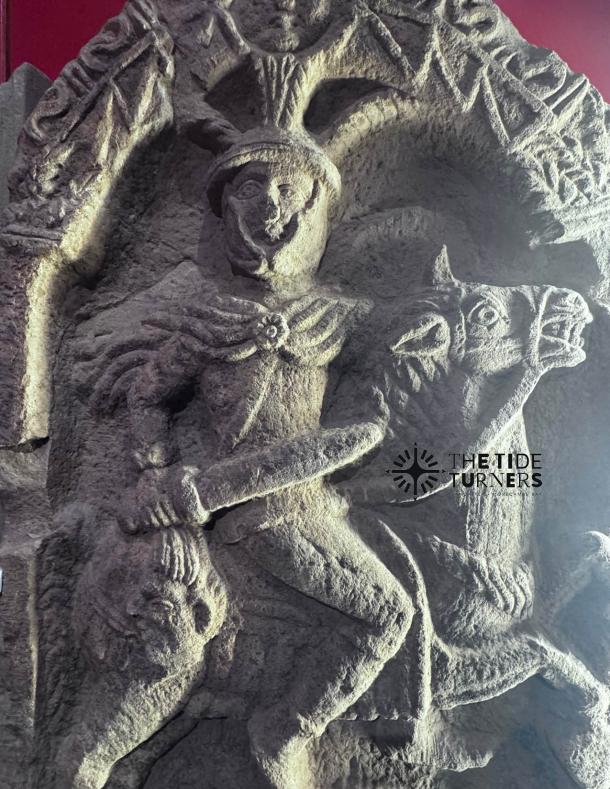
The Romans helped shape the Lancaster we know today, building a fort around AD 80 on the hill overlooking the River Lune. This became the beating heart of a growing settlement. One of the earliest characters tied to the town is Insus, a cavalryman immortalised on a striking memorial stone unearthed in 2005. You can still see this piece of history today at Lancaster City Museum. Insus was a Treveran auxiliary trooper, and he is depicted here dramatically holding the severed head of a defeated enemy — a rare and vivid scene of military triumph.
The Romans first stormed Britain in AD 43, and Lancaster blossomed when the fort attracted a bustling little town, its soldiers providing a ready market for local goods. Even Lancaster’s name tells the tale: recorded in the Domesday Book as Loncastre: “Lon” for the River Lune and cæster, borrowed from Latin castrum, meaning “fort”. A name born from stone walls and centuries of history.
IMAGINE ROMAN LIFE IN LANCASTER...
You can visit Lancaster City Museum on Mon, Tues, Fri, Sat, Sun 10.30am - 4pm.
Tickets are £5 for visitors from outside the Lancaster District.
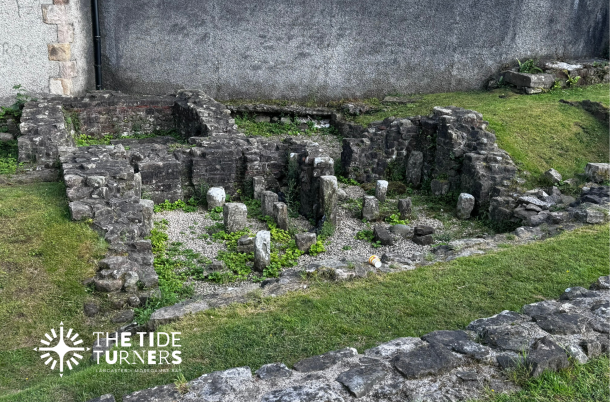
Lancaster’s Roman Bath House, unearthed in the 1970s at Vicarage Field, was once part of a grand courtyard building – probably home to a Roman official. Complete with a clever hypocaust heating system, it offered a taste of ancient spa luxury in Britannia. Around 340 AD, the bath house was demolished to make way for a mighty stone fort. Today, the Wery Wall – a chunky remnant of that fort’s bastion – still stands proudly on Castle Hill. These ruins not only showcase Lancaster’s Roman roots and strategic importance but also remind us that the Romans knew how to mix relaxation with serious defence.
NOW WALK IN THE FOOTSTEPS OF THE ROMANS...
You can visit Lancaster’s Roman Bath House any time, although it's best to view during the daytime! It is located here and can be accessed via the path to the rear of Lancaster Priory.
Viking Settlers
In the 9th and 10th centuries, sleek Viking longships skimmed across the Irish Sea and bold Norse adventurers set their sights on Morecambe Bay and Heysham. These fearless settlers didn’t just raid, they stayed, leaving their mark in place names and remarkable and in a vibrant coastal culture of fishing, farming, and maritime trade.
One of the most breath-taking relics is the Heysham hogback stone, a 10th-century masterpiece carved with twisting beasts and mysterious symbols. It speaks of Viking beliefs about death and the afterlife, and of a fascinating cultural fusion where Norse traditions met early English Christianity. This blend is beautifully echoed at St Peter’s Church, perched above the bay on a site of ancient worship. Inside you can find the hogback itself, a haunting reminder of a world where faith, myth, and seafaring courage collided.
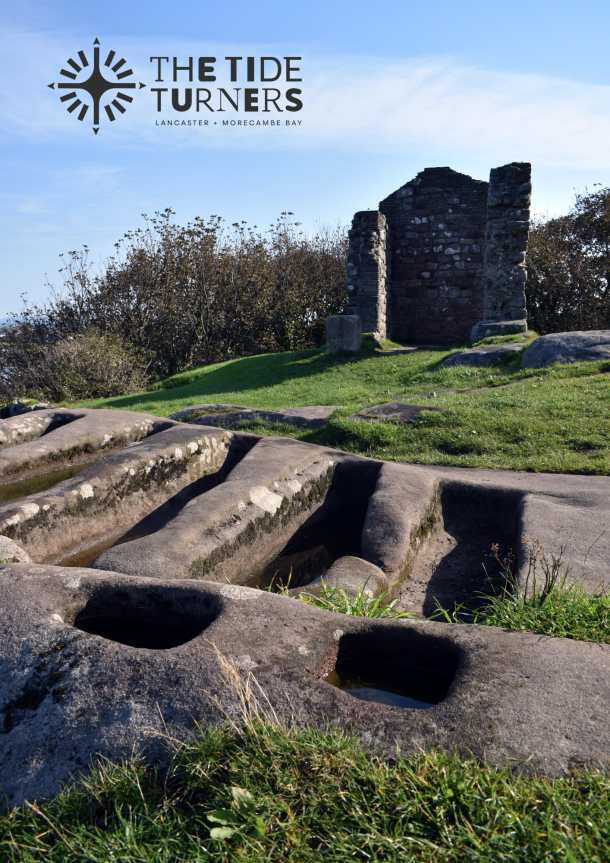
Perched on the wild headland at Heysham, the rock-cut graves near the ruins of St Patrick’s Chapel are like something straight out of a mystery novel. Carved into solid sandstone, these six coffin-shaped hollows look out over the shimmering sweep of Morecambe Bay. They’re aligned east - west in true Christian style, but their dramatic cliff-edge setting has sparked endless speculation: were they Viking burials, resting places for saints, or something even stranger?
STEP INTO HISTORY IN HEYSHAM...
Visit Heysham and try our self-guided Heritage Walk, taking in the main landmarks.
Call into St Peter's Church to see the famous hogback stone. The church is usually open Monday - Saturday 10.30am - 3pm.
In the summer, visit Heysham Heritage Centre - check their website for opening times, which may vary due to volunteer availability.
Come along to the Heysham Village Viking Festival which takes place each July!
The Normans
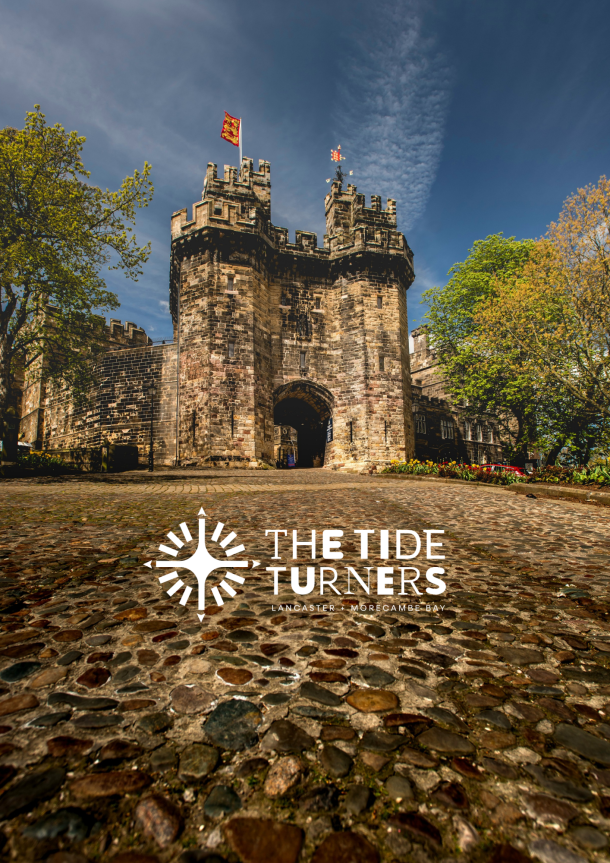
After the Battle of Hastings in1066, Lancaster became a key gateway to England’s north-west. The Normans wasted no time stamping their authority, raising Lancaster Castle on the bones of the old Roman fort. At first, it was a timber stronghold, but by around 1170, it had transformed into a formidable stone fortress with a mighty keep. More than just a military bastion, the castle became a proud symbol of Norman power: commanding trade routes and keeping the region firmly under their grip. Over the centuries, it evolved into the beating heart of local governance and justice, shaping Lancaster’s destiny for generations.
Roger de Poitou was one of the architects of Lancaster’s medieval story. Gifted vast lands in Lancashire by William the Conqueror, he is believed to have built the original, temporary wooden motte and bailey castle (or ringwork) at Lancaster around 1093 to 1094 to establish control over the region. He also founded Lancaster Priory in 1094, a Benedictine priory linked to a Normandy abbey, on the site of a Saxon church. Inside the priory you’ll find stunning medieval features, like the 14th-century choir stalls, that survived centuries of change, including Henry VIII’s Dissolution of the Monasteries. Today, this Grade I listed church is a living piece of Lancaster’s past, offering a chance to attend one of its worship services, to marvel at the wonderful architecture, or to enjoy one of the regular concerts.
Roger de Poitou's influence stretched far and wide, fortifying strongholds and securing Norman rule across the north-west. Though his fortunes eventually waned, Roger’s legacy remains etched in history as a founding figure of Lancaster’s Norman era: a man whose ambition helped define the region’s future.
DISCOVER BUILDINGS WHICH HAVE STOOD THE TEST OF TIME...
Visit Lancaster Castle and take a guided tour with one of the knowledgeable and inspiring guides. Tours run daily 10.30am – 3.45pm at frequent intervals throughout the day, and you can book your tickets on site. Adult tickets are £9.
The Police Museum (Thursday to Friday only), Witches’ Exhibition, castle courtyards and cafe can be accessed free of charge and without joining a guided tour.
Explore the history and architecture of Lancaster Priory - normal opening times are 10am-4pm Monday – Saturday and for services on Sunday.
Lancaster's Charter
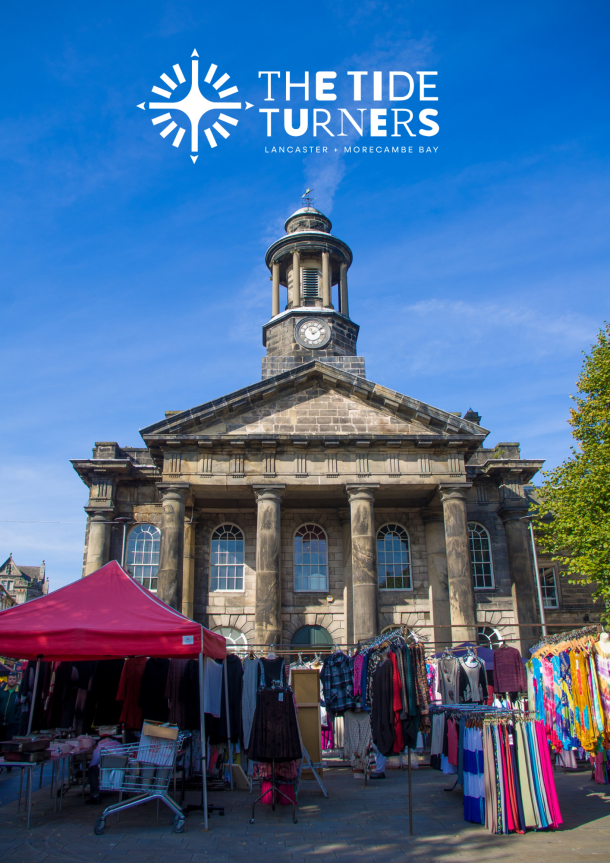
In 1193 John, Count of Mortain (later King John) granted the town its very first royal charter, a game-changer that set Lancaster on a path to prosperity. With this charter came privileges including the right to host a weekly market. Suddenly, Lancaster became a magnet for merchants, traders, and bustling crowds from all around the region. These lively gatherings didn’t just boost trade, they transformed Lancaster into a thriving hub of commerce and community. Over time, these rights gave the town more independence and prestige, paving the way for Lancaster to grow into a self-governing borough.
Today, the granting of the charter is celebrated on Lancaster Day (12 June) with events, activities and a town crier! The charter itself is held in the Lancashire Archives in Preston.
TRADE MEETS TRADITION...
Browse Lancaster Charter Market every Wednesday and Saturday from 9am – 4.30pm for everything from local produce to international cuisine, fresh fruit and vegetables to plants and flowers, jewellery and clothing to arts and crafts.
If you are visiting on or around June 12 each year, browse our What's On pages for details of Lancaster Day events.
The Legacy of John o’ Gaunt
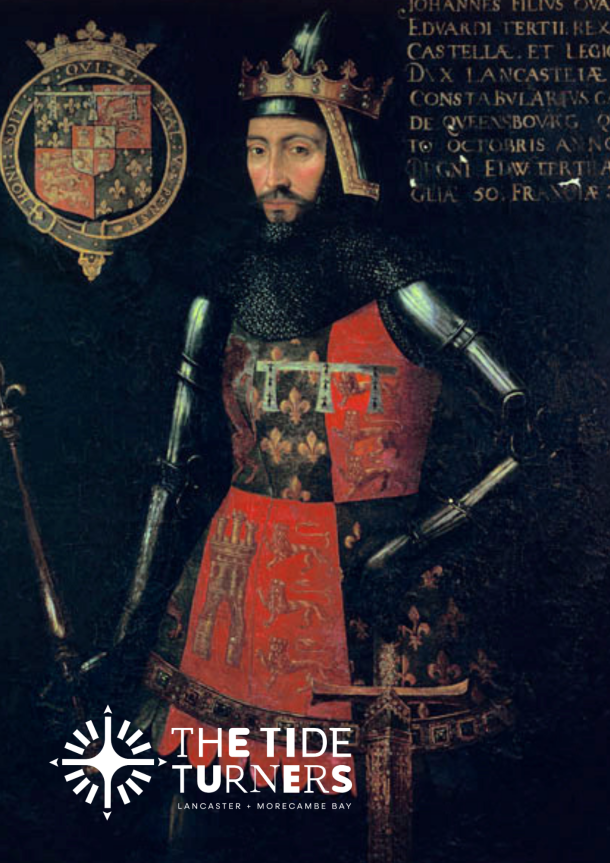
John o’ Gaunt wasn’t just a name carved into Lancaster’s history – he was a medieval influencer! Born in 1340 as the son of Edward III, he became Duke of Lancaster and one of England’s most powerful figures.
Through his marriage to Blanche of Lancaster, he founded the House of Lancaster, paving the way for his son to become King Henry IV. A fearless military leader, John led campaigns in France and even chased a crown in Spain, while at home he steered the kingdom during times of crisis. He was also a patron of culture, backing literary greats like Geoffrey Chaucer.
As the Duke of Lancaster, he significantly strengthened and expanded Lancaster Castle during the 14th century, adding the impressive two-towered gatehouse that bears his name. But although he was owner of the castle for over 30 years, it is said that he only visited the area himself on a couple of occasions.
Despite this, his legacy lives on in the castle he fortified and through the lands and influence of the Duchy of Lancaster.
A NAME TO REMEMBER...
Lancaster Castle (tours running daily) is the obvious place to visit to find out more about John O'Gaunt - the imposing gateway he commissioned will greet you as you walk up Castle Hill.
But if you're in the mood to sit back with a drink and listen to some live music, call into the pub bearing his name, Ye Olde John O’Gaunt on Market Street! A Grade II listed building, this historic pub dates back to 1871 and has been a hub for social life and live music for over a century, retaining its rustic charm and Georgian character.
George Fox - Founder of Quakerism
George Fox, founder of the Religious Society of Friends (the Quakers), was a frequent and influential visitor to Lancaster despite being imprisoned there for his beliefs. First arriving in 1652, the same year as his revelation on Pendle Hill, Fox challenged religious hierarchy and promoted silent worship without clergy or ritual. His preaching across the North led to his trial and imprisonment in Lancaster Castle, which he called the “Dark House”, where Quaker prisoners suffered harsh treatment.
Yet Lancaster remained central to his life and is mentioned more than 50 times in his journal. His legacy lives on through the city’s Meeting House, strong Quaker traditions, links with Elizabeth Fry, Lancaster University, and nearby Swarthmoor Hall, which became his base.
FOLLOW IN THE FOOTSTEPS OF FOX...
Visit Lancaster Castle. Fox was imprisoned there for his beliefs, a place he described as the ‘Dark House’. Female Quaker prisoners who refused to stop preaching suffered the humiliation of wearing the scold’s bridle, an example of which is still on display in the Castle.
Lancaster Meeting House was built in 1677, on a road which is still known to this day as Meeting House Lane. The Meeting House still holds Quaker meetings as well as welcoming visitors - with special tours taking place during Heritage Open Days.
Lancaster University's first vice-chancellor was a Quaker and the university has adopted Quaker grey as one of its colours. George Fox is also remembered on campus as one of its largest lecture theatres is named after him and Quaker meetings take place at the university’s Chaplaincy Centre.
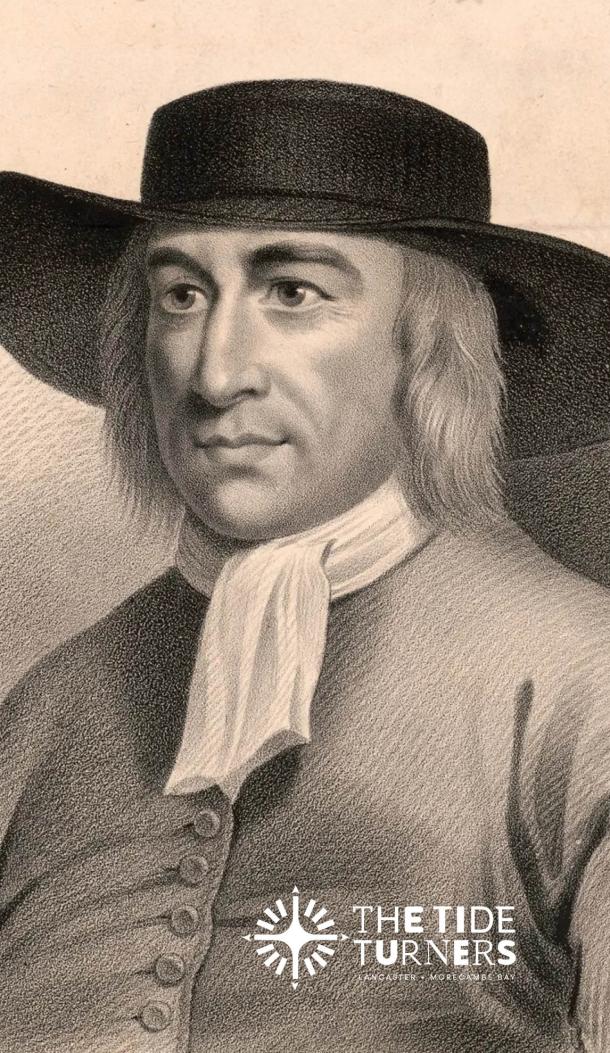
Architect of Lancaster
Born in Richmond, Yorkshire in 1744, Thomas Harrison’s architectural designs can still be seen today in the bridges and buildings of northwest England.
Showing aptitude as a teen in mathematics and mechanics, he was financed to travel to Europe on a ‘Grand Tour’ in his twenties. He studied architecture and became inspired by the wealth of buildings he visited, especially the ancient Roman constructions.
On his return to England, he won a competition to design Skerton Bridge, beating more established rivals with a bold and elegant design inspired by Roman engineering. One of the first bridges to be built without a hump in the middle, the design of Skerton Bridge was later copied by John Rennie for his Waterloo and London bridges over the Thames.
In 1788, Harrison was appointed as architect for the rebuilding of Lancaster Castle. To fit in with the retained medieval parts of the castle, he chose a neo-gothic style. His work can be seen in the curved forms of the Crown Court and the perfect roundness of Hadrian’s Tower. The castle’s sweeping Shire Hall was also begun according to his designs, but he was also simultaneously undertaking work in Chester - and so he left Lancaster quite abruptly, with his work later being completed by the architect Joseph Gandy. During his appointment at Lancaster he also contributed to the redevelopment of the Debtor’s Prison – his work taking into consideration the recommendations of prison reformer John Howard.
DESIGNS FOR JUSTICE...
Take a tour of Lancaster Castle (tours running daily).
View Skerton Bridge and then take a stroll around Ryelands Park nearby.
Visit Lancaster Priory, where Harrison married Margaret Shackleton at in 1785.
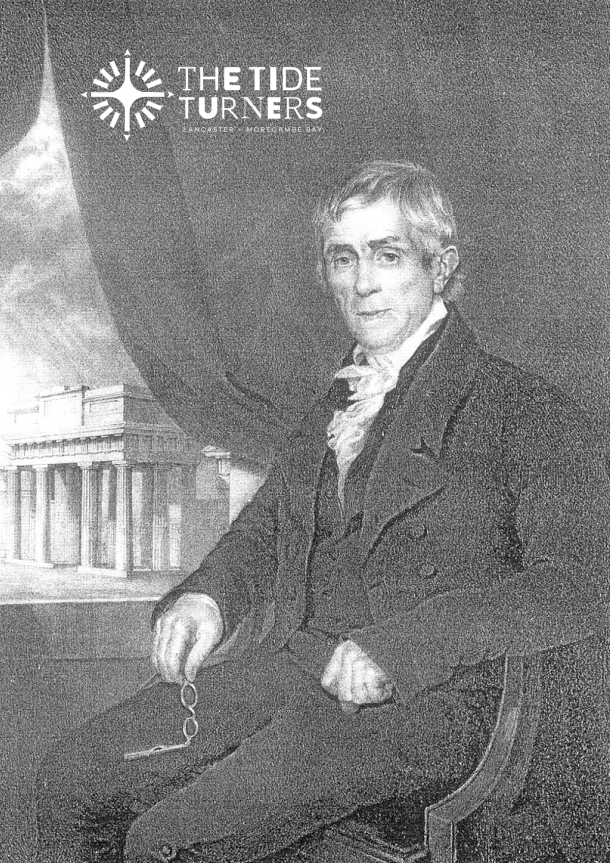
Transatlantic Trade
In the 18th century, Lancaster was Britain’s fourth-largest slave-trading port: a fact that casts a long shadow over its history. The city’s wealth and growth were fuelled by merchants such as Abraham Rawlinson, Charles Inman, and Thomas Hinde, who profited from the transatlantic trade in enslaved people. Ships sailed from Lancaster laden with goods, returning with commodities like sugar and cotton - products built on human suffering. These fortunes shaped the city’s elegant Georgian streets and grand architecture, but their origins are deeply troubling.
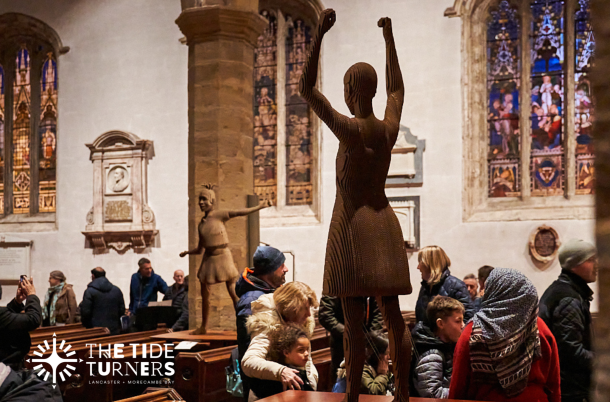
Today, Lancaster confronts this legacy head-on. Projects like Facing the Past critically examine the city’s role in slavery, sparking conversations about memory, responsibility, and justice. Through exhibitions, research, and public engagement, these initiatives aim to tell the full story, acknowledging the harm while educating future generations. It’s a chapter of Lancaster’s history that demands reflection, reminding us that behind the prosperity of the port lay lives exploited and voices silenced.
Image of Facing the Past exhibition at Lancaster Priory by Rob Battersby.
EXPLORE THE DARK LEGACY OF OVERSEAS TRADE...
Visit Lancaster's Maritime Museum on St George's Quay to find out more about trade with the West Indies. The Museum is open Mon, Fri, Sat, Sun 12pm - 4pm. Tickets are £5 for visitors from outside the Lancaster District.
Explore Facing the Past's map showing the locations and events connected to Trans-Atlantic slavery.
Walk down to St George's Quay to view the Captured Africans Memorial (opposite The Three Mariners pub), a thought-provoking piece by Kevon Dalton-Johnson.
Victorian Visionaries
· Richard Owen (1804–1892)
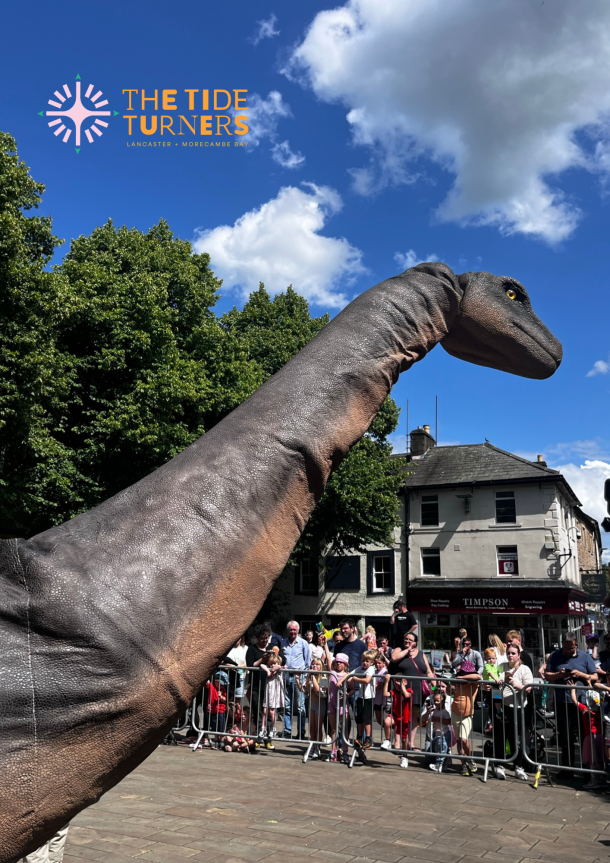
Lancaster’s own trailblazer of the natural world, Owen coined the word “Dinosauria” in 1842 and reshaped how Victorian Britain thought about life on Earth. A brilliant (sometimes formidable, and sometimes controversial) scientist, he helped drive the creation of London’s Natural History Museum, ensuring that awe‑inspiring collections were opened up to the public.
His legacy still ripples through the city: Lancaster City Museum's display spotlights his work in palaeontology, while family‑friendly events such as Dino Fest (organised by BID each July) bring hands‑on fossils and expert talks to Lancaster.
He also played a key role in improving life for people in Victorian Lancaster. His report on housing conditions highlighted how dirty and overcrowded many homes were, and it helped pave the way for better housing, new cemeteries, and access to clean water.
Listen to Lancaster City Museum's podcast all about Richard Owen and his discoveries and then visit the museum on Mon, Tues, Fri, Sat, Sun 10.30am - 4pm.
Check our What's On page for details of Dino Fest each July.
· James Williamson, 1st Baron Ashton (1842–1930)
A prominent Victorian industrialist, James Williamson built on his father’s manufacturing roots to create a vast textile and linoleum enterprise in Lancaster. Growing a coated fabric business to a vast enterprise which included flooring production and facilities for embossing and printing, he eventually became one of the richest men in the world.
His success in textiles and linoleum production fuelled his landmark gifts to the city such as the Ashton Memorial in Williamson Park. Built as a tribute to his late wife, this striking Edwardian landmark dominates the skyline and remains a lasting marker of local pride. Framed by sweeping parkland and visible for miles, the Memorial hosts events, exhibitions and weddings, and is also frequently lit in colour to mark causes and moments of remembrance.
Lord Ashton also gifted the city its Queen Victoria Memorial statue which stands proudly in Dalton Square. Designed by Herbert Hampton, the monument features the queen atop a grand Portland stone pedestal, surrounded by bronze lions and allegorical figures of Freedom, Truth, Wisdom and Justice. Look closer at the bronze frieze and you’ll spot 53 prominent Victorians – and five have strong Lancaster connections: industrialist James Williamson himself, scientist Edward Frankland, pioneering biologist Richard Owen (as mentioned above!), philosopher William Whewell, and anatomist William Turner. These local legends share space with national icons like Florence Nightingale and George Eliot, making the memorial a fascinating blend of civic pride and Victorian grandeur.
Visit the Ashton Memorial in Williamson Park - open daily from 10am subject to events / weddings! Entry to Williamson Park grounds and the Ashton Memorial is free.
Walk to Dalton Square to view the Queen Victoria Memorial statue with its prominent Victorian figures. Lancaster Town Hall is also situated here. The Town Hall hosts regular events in its stunning Ashton Hall.
Find out more about the memorial statue with Lancaster Civic Society's excellent guide.
· Waring & Gillow Furniture Makers
Waring & Gillow began as Gillows of Lancaster, famed for exquisite craftsmanship and clever designs like the extending dining table and bureau bedstead. By the late 19th century, the firm expanded beyond furniture and, after merging with Waring in 1903, opened chic showrooms in Paris, Madrid and Brussels, even furnishing luxury ocean liners. War changed everything: during WWII, Lancaster workshops produced military supplies, and post-war decline in sea travel ended those contracts. Taken over in 1962 and later absorbed into Allied Maples, the Gillow name faded, but its legacy lives on in museum collections including that of Lancaster's Judges' Lodgings.
The Judges' Lodgings is open on Fridays 11am - 4pm throughout the winter. Then from the beginning of April until mid-November, it is open Thu - Sun 11am - 4pm. Adults £5, Children free.
Visit Leighton Hall, the ancestral home of the world-renowned Gillow furniture family. The hall is open from1st May to 30th September: 1.30pm – 5.30pm (Tuesday, Wednesday, Thursday). Tickets £13 for adults, £8 for children.
Enterprise and Education
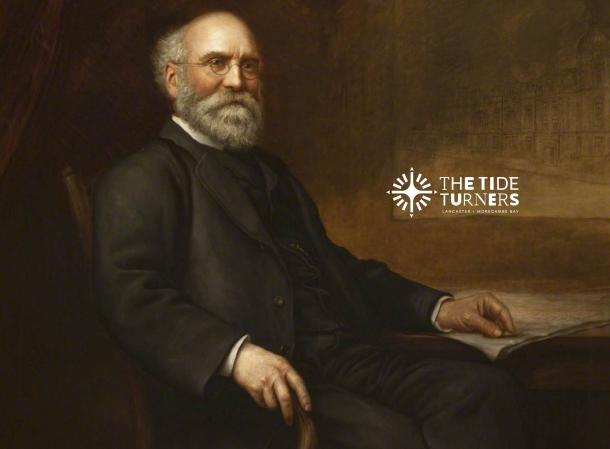
Sir Thomas Storey was a major industrialist in Lancaster who built his wealth producing table baize and oilcloth, employing hundreds of people and becoming one of the town’s largest employers.
He served as Mayor four times, was High Sheriff of Lancashire, and was widely known for his philanthropy, particularly in education, science, and the arts, leading to his knighthood by Queen Victoria in 1887.
His most significant legacy was funding the Storey Institute to promote learning and culture, which remains an arts and business centre today. After his death in 1898, his son Herbert Lushington Storey continued the family’s charitable work, notably creating Westfield Memorial Village for people affected by World War I and contributing to developments that later became part of Lancaster University.
A STOREY WORTH KNOWING:
Visit The Storey, a Grade II listed building which remains a popular centre for the arts, business and socialising. The Storey also boasts The Tasting Garden, an environmental artwork, orchard and garden created by internationally renowned artist, Mark Dion in 1998.
View the Storey family grave (Number 62 - Section D) at Lancaster Cemetery (off Quernmore Road).
Read our article by Louise Bryning to find out more about this remarkable man and his family.
Nature's Champion
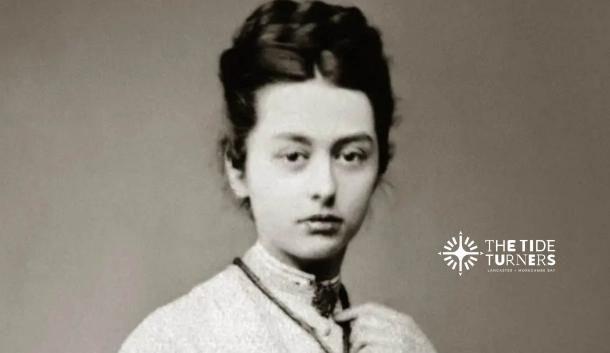
In 1889, Lancaster-born Emily Williamson had had enough of 'murderous millinery' - birds being killed for the fashion of decorating hats with feathers and plumage. So she pledged to do something about it.
She founded what became the Society for the Protection of Birds, with the aim of stopping the trade in feathers. Within two years 10,000 people had joined the movement, and, in 1904 the society received royal assent, becoming The Royal Society for the Protection of Birds, now Europe’s largest conservation charity, helping save species like the great crested grebe from extinction. The fashion for feathers fell out of favour, and in 1921, the feather trade was eventually banned.
Today, her legacy lives on at Leighton Moss, in Lancaster’s new Swift City status, and in every nest box, reed bed and wildflower meadow protecting our birds.
TURNING THE TIDE FOR NATURE:
Read our article by Louise Bryning to discover more about this incredible woman.
Visit Lancaster Priory, where she was baptised, and Williamson Park, where she is commemorated with a plaque on the Quernmore Road entrance, unveiled by her great, great niece, the bird scientist Professor Melissa Bateson.
Visit RSPB’s Leighton Moss Reserve to see a wide range of birdlife including bitterns, bearded tits, marsh harriers and egrets.
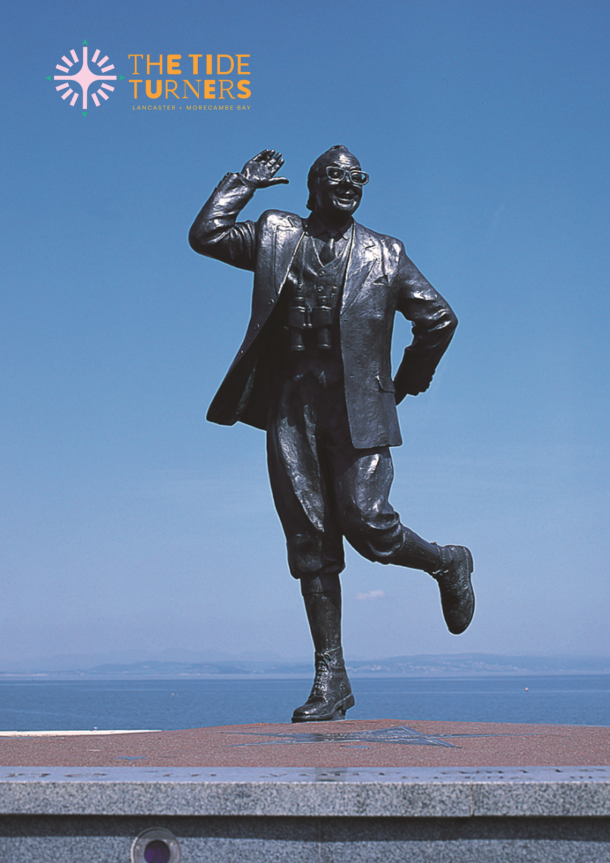
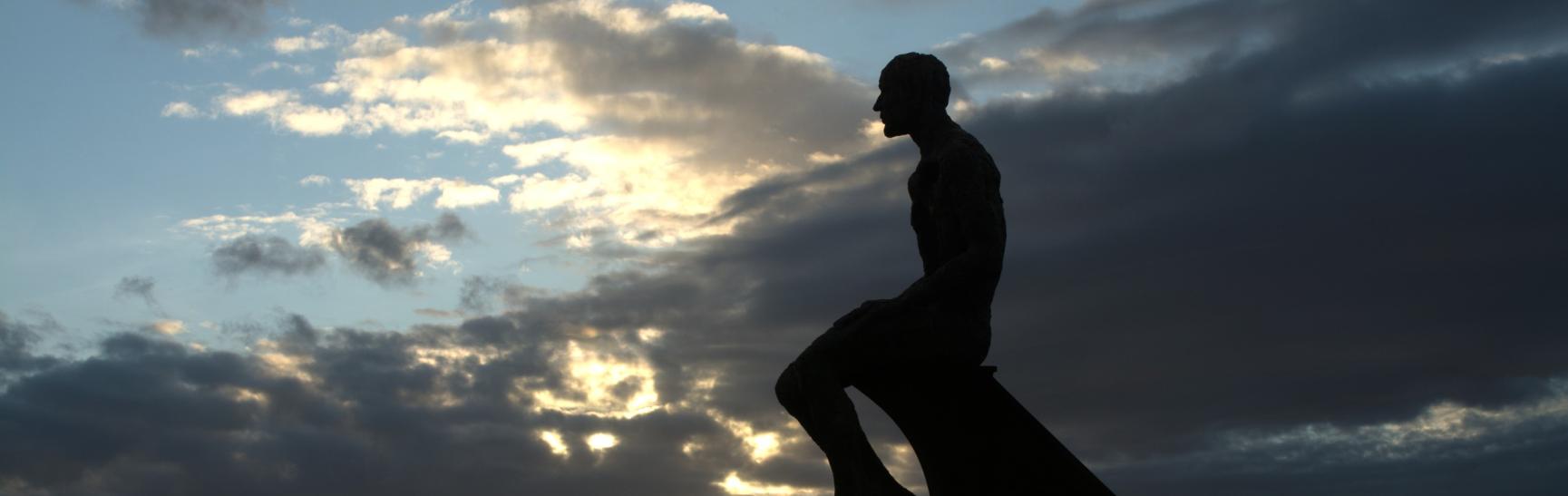
Discover the Tern Project artworks on Morecambe's Promenade, including the Eric Morecambe statue who also happened to be a keen birdwatcher so he’s seen with a pair of binoculars around his neck.
Learn more about Lancaster as a 'Swift City' https://foodfutures.org.uk/swift-action/
A Printing Pioneer
Lancaster’s printing pioneer gets his moment!
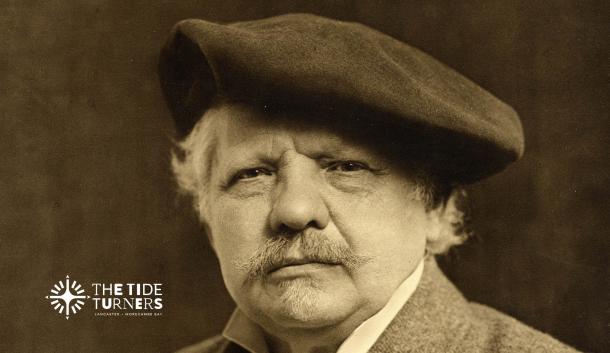
Introducing Karel Klic, a true Tide Turner in the printing process...
North West arts and heritage organisation Mirador has landed a £91,430 National Lottery Heritage Fund grant to shine a spotlight on Karel Klic, the groundbreaking inventor who transformed Lancaster’s industrial story.
From his Meadowside home to the Rembrandt Intaglio Printing Company on Aldcliffe Road, Klic’s photogravure process shaped how images were printed across the world and helped put art into everyday Lancaster homes!
COPY THAT:
Mirador is celebrating his legacy with a project entitled "Copy That - The Revolution in Photomechanical Printing" - so keep an eye out for creative events and community activities plus a major exhibition at The Storey marking 100 years since his death.
A Shocking Struggle for Suffragism
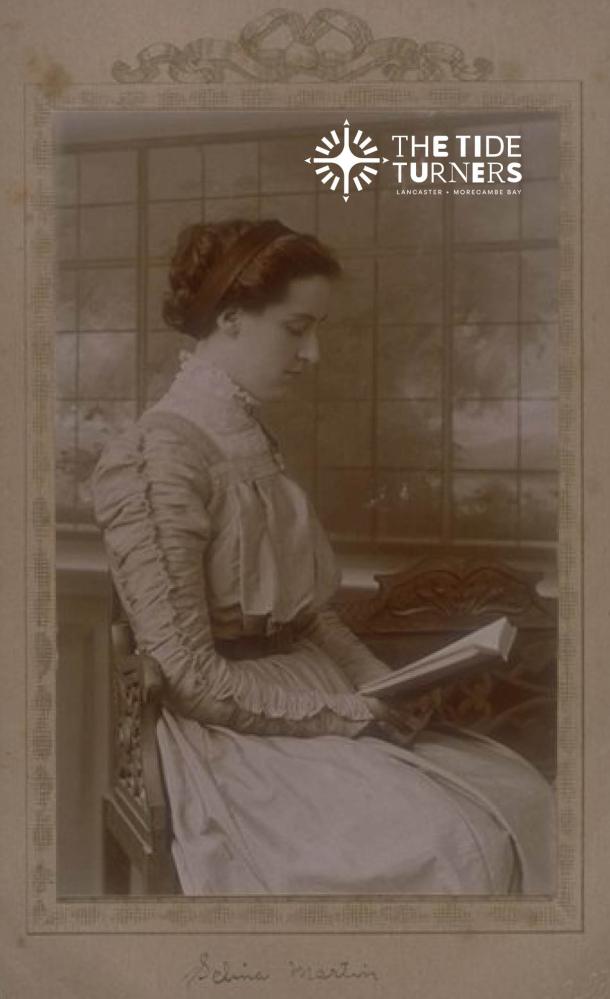
The daughter of a Lancaster bookseller, Selina Martin was a hero of the Suffragette movement. Today, a plaque in Sun Street marks the place where her family once lived; a reminder of the extraordinary courage shown by an ordinary local woman.
Originally from Ulverston, Selina joined the Women’s Social and Political Union in 1908. When Prime Minister Herbert Asquith visited Lancaster and ignored her question about votes for women, Selina threw an empty ginger beer bottle into his car. She was arrested and taken to Walton Prison, where she began a hunger strike.
What followed was brutal. Selina was force fed in prison - a painful and traumatic procedure used to break the protest of imprisoned Suffragettes. She later described how untrained doctors forced open her jaw and half-suffocated her. Her treatment was so shocking that, together with testimonies from other imprisoned Suffragettes of differing classes, it helped raise public awareness about the cruelty many working-class Suffragettes were facing.
Despite the hardships she endured, Selina went on to live a long life in Lancaster. She married, raised a family, and lived to the age of 90. She died in 1972 and is buried in Lancaster Cemetery.
Selina was not alone in the fight. Other local women played important roles in the campaign for the vote:
• Hilda Burkitt, later of Morecambe, endured force feeding an astonishing 292 times - more than any other Suffragette.
• Her sister Lillian Burkitt was imprisoned in Holloway and later served as a nurse at Gallipoli during the First World War.
• Annie Helme helped found the Lancaster Suffrage Society in 1911 and later became Lancaster’s first woman councillor and its first female mayor in 1932.
All women over 21 finally gained the vote in 1928, but the legacy of these pioneering women still shapes Lancaster and the district today.
LANCASTER'S SUFFRAGETTES:
Read our article by Louise Bryning on Selina Martin's brave fight
Find out more about Hilda and Lillian Burkitt: My Museum Passion - the memory of Morecambe's suffragettes
Visit: Lancaster City Museum
Art Deco Innovators
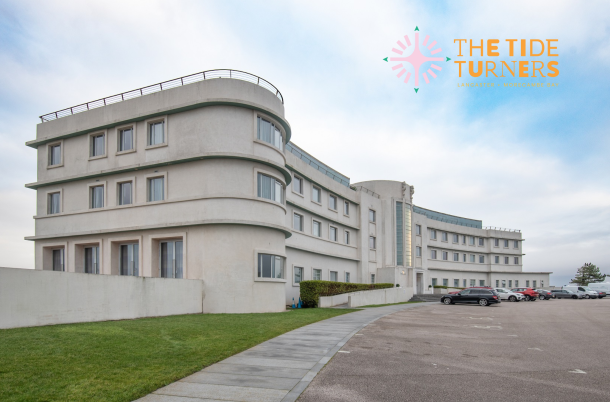
The Midland Hotel isn’t just a building, it’s a statement of style and optimism. Opened in 1933, this Art Deco masterpiece was designed by visionary architect Oliver Hill and commissioned by the London, Midland and Scottish Railway as a beacon for Morecambe’s seafront. Its sweeping curves, sunlit terraces, and elegant interiors captured the spirit of the interwar years - a time when modernity promised progress and leisure was a luxury to be celebrated.
Inside, the hotel showcased the work of renowned sculptor Eric Gill, whose striking reliefs and decorative details added artistic flair to the bold geometry of Hill’s design - some of which can still be seen today. Restored and reopened in 2008, it continues to draw visitors who come for its timeless elegance, its rich history, and its unrivalled setting overlooking the sands and sea. It’s a living piece of architectural heritage - a reminder of an era when design dared to dream big.
A DATE WITH ELEGANCE...
Treat yourself to a meal or drink whilst overlooking the bay at The Midland Hotel. Open to non-residents, it's the perfect place to soak in the Art Deco atmosphere and stunning views!
An Entertainment Icon
Eric Morecambe – born John Eric Bartholomew in Buxton Street – remains the beating heart of Morecambe’s cultural identity. Taking his stage name from his hometown, Eric rose from local venues and school halls to become one half of Britain’s most beloved comedy duo, Morecambe and Wise. Their TV specials in the 1970s drew millions of viewers and cemented Eric as a national treasure. Today, his statue on the promenade is a magnet for visitors, a place where fans strike the famous “Bring Me Sunshine” pose against the backdrop of Morecambe Bay. His influence stretches beyond laughter – Eric’s story embodies the town’s spirit of creativity and resilience, making him a symbol of seaside entertainment heritage.
DANCE WITH ERIC!
Visit the Eric Morecambe statue on Morecambe Promenade, part of the TERM Project of artworks, and take a photo with him in his famous dancing pose!