

Emily Williamson: Nature's Champion
Emily Williamson turned the tide of fashion in the 19th Century and founded what became Europe’s largest conservation charity in the process.
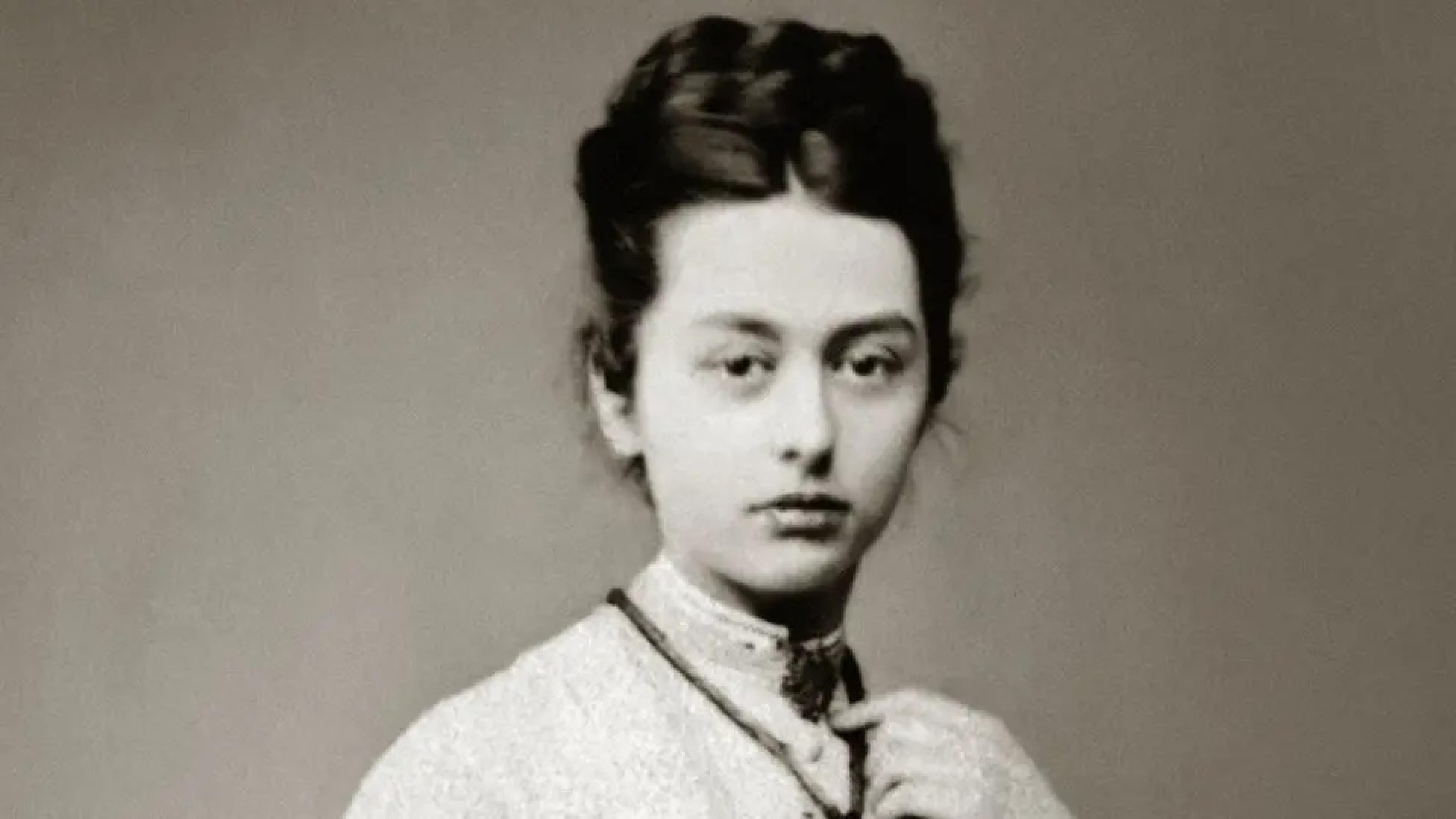
Born Emily Bateson in Lancaster in 1855 and baptised in Lancaster Priory, she was the driving force behind the establishment of the Royal Society for the Protection of Birds. And it all came about because nature-loving Emily was angry that her favourite bird species, the great crested grebe, was on the verge of extinction just so that other women could adorn their hats with feathers.
A plaque acknowledging Emily’s legacy as a great campaigner can be seen by visitors to Lancaster’s Williamson Park, just a stone’s throw from Highfield and the house where she was born. Although this park was yet to open when Emily was a child, it now offers plenty of opportunities to enjoy nature in all its glory.
On marriage to Robert Wood Williamson, the son of Manchester’s Natural History Museum curator, Emily moved to Didsbury - now Fletcher Moss Park - where there is a campaign to remember her with a statue. It was during her married life that Emily began campaigning herself against what was described as ‘murderous millinery’, establishing the all-female Society for the Protection of Birds in 1889.
Other women with similar views, had launched the Fur, Fin and Feather Folk of Croydon so in 1891, the two groups joined forces as the Society for the Protection of Birds and Emily became its vice-president. Within just two years, the organisation had 10,000 members which had doubled by 1898 with 152 branches nationwide and in 1904, it had become the RSPB after achieving Royal Assent. Seventeen years later, the Plumage Importation (Prohibition) Act was passed which finally banned the import of exotic bird skins.
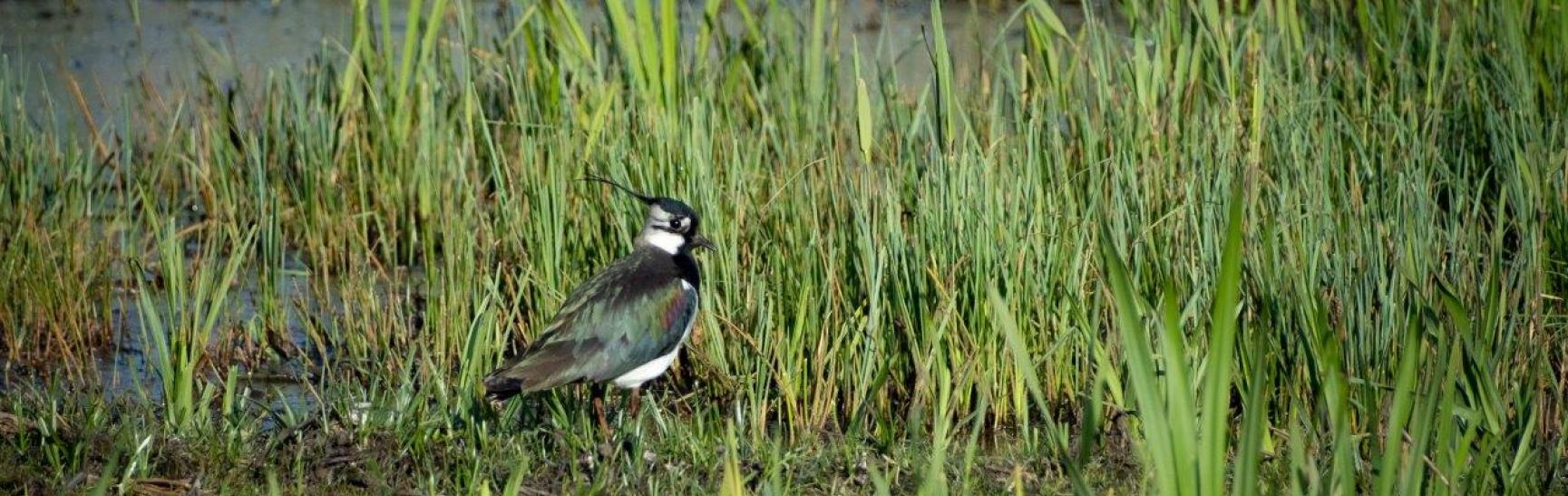
Just a few miles from Emily’s birthplace is the RSPB’s Leighton Moss Reserve at Silverdale which opened in 1965 and now boasts a prestigious Visit England Gold award for its high standards of visitor experience, facilities and service. Leighton Moss is home to the North West’s largest reed bed and offers opportunities to see a wide range of birdlife including bitterns, bearded tits, marsh harriers and egrets as well as other wildlife such as otters and red deer. Emily Williamson would have had a field day there! The reserve sits in the Arnside and Silverdale National Landscape (formerly known as an Area of Outstanding Natural Beauty) which features several other nature reserves, woods and crags where nature can be experienced at its best.
The Landscape benefits from its location on Morecambe Bay which in itself is a haven for birdlife celebrated in Morecambe with the Tern Project, a series of award-winning public art works along the town’s Promenade depicting the many winged wonders which visit the area. One of the most popular features is the Eric Morecambe statue in honour of the town’s most famous son who also happened to be a keen birdwatcher so he’s seen with a pair of binoculars around his neck. Leighton Moss also recognises the comedian’s love of birdwatching by naming a hide after him at the reserve.
And no doubt Emily Williamson would have been proud of her native city which has recently become one of only a handful of the UK’s Swift Cities. This new status, campaigned for by the Lancaster RSPB group and other community organisations, aims to support swifts who arrive in the area in May after migrating thousands of miles from Africa. Sadly, the swift population has declined by more than half over 15 years so Lancaster, as a Swift City, aims to monitor them, protect their existing nest sites and install more nest boxes for them as well as encouraging housing developers to include swift bricks in new homes and supporting habitats to expand wildflower meadows providing insects which swifts need to thrive.
Lancaster’s Swift City campaign was launched, in part, to provide a living memorial to the woman who not only founded the RSPB but also fought for women’s rights, establishing the Gentlewomen’s Employment Association in Manchester, The Princess Christian Training College for Nurses and the Loan Training Fund, the first of its kind in the country, which subsidised further education costs for young women.
Emily died in London in 1936, a pioneering woman and champion of our feathered friends.
Article by Louise Bryning