

Sir Thomas Storey: A Pioneer of Enterprise and Education
Cumbrian-born Sir Thomas Storey made an impact on his adopted home town of Lancaster which remains to this day.
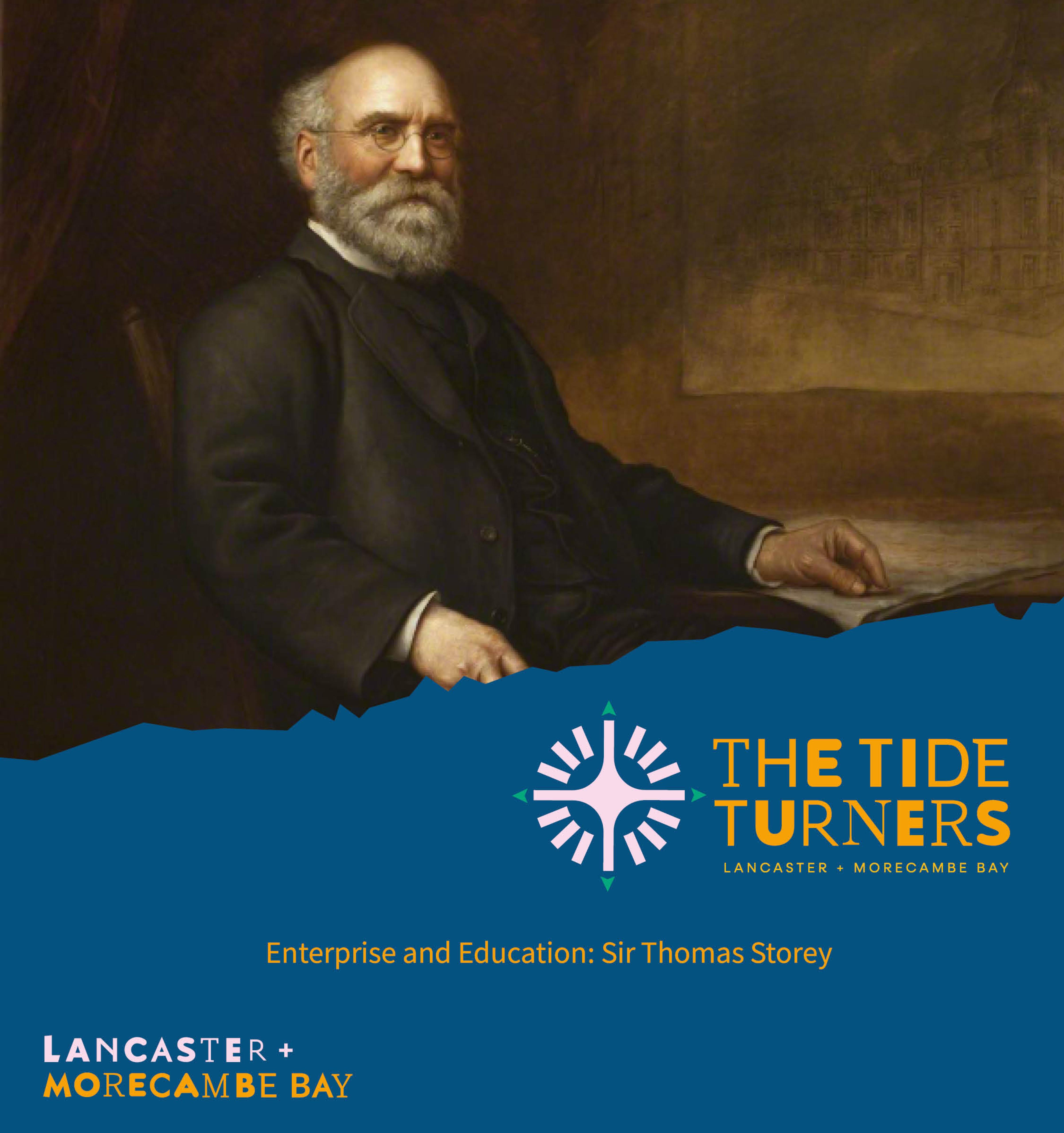
Sir Thomas turned the tide of industry in Lancaster where he became one of its largest employers. He served the town as Mayor four times, was High Sheriff of Lancashire and was a renowned philanthropist, especially in the areas of education, science and art. All these achievements were recognised by Queen Victoria in 1887 when she knighted him at Balmoral. Sir Thomas made his money through the production of table baize and oilcloth. He employed hundreds of people, many of whom thought him a more generous employer than his great business rival, James Williamson.
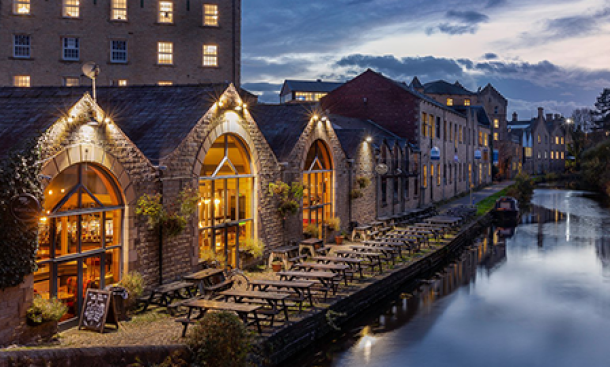
Some of the buildings which once housed the Storey mills remain close to Lancaster city centre at White Cross, having been adapted for smaller business and community use. Among them is the White Cross pub, once a warehouse, which sits alongside a stretch of Lancaster Canal, particularly popular in the summer. Opposite the White Cross estate is the Royal Lancaster Infirmary which benefitted from Sir Thomas’s generosity as did the former Royal Albert Hospital where one of the buildings was named after him.
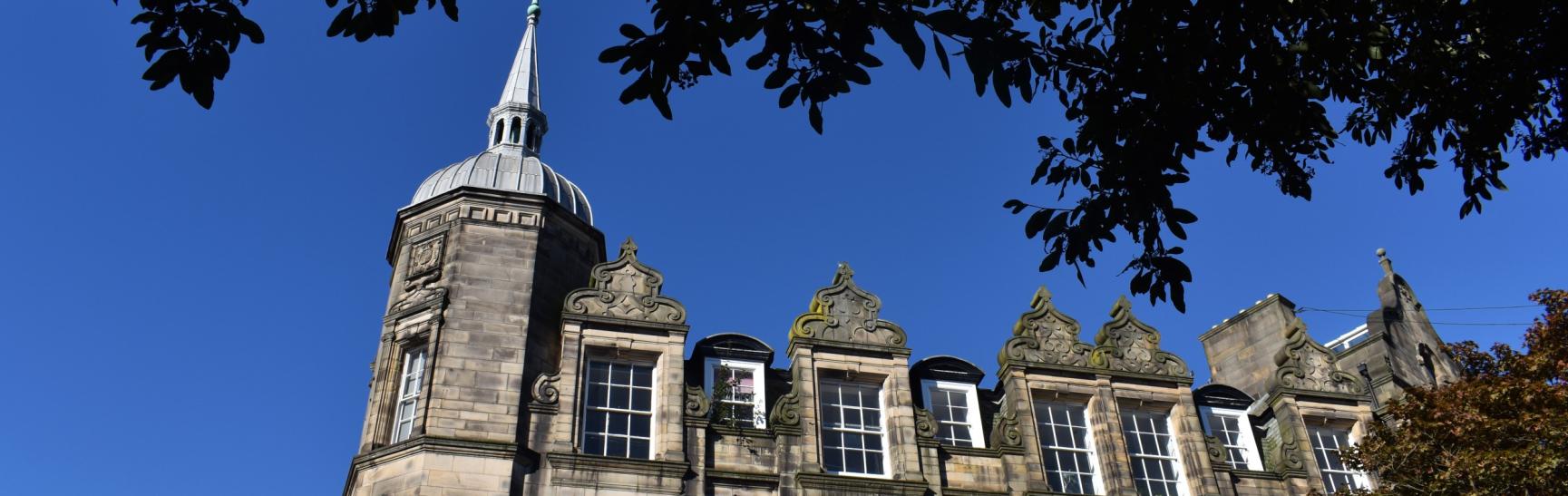
But it was Sir Thomas’s ambition to improve the lives of future generations that spurred him on to invest £20,000 – almost £3 million in today’s money – in what eventually became the Storey Institute, built to mark Queen Victoria’s golden jubilee in 1887. The Institute, just a short stroll from Lancaster’s railway station, provided a technical and science school, library, art school, gallery and newsroom, all to promote art, science, literature and technical instruction. One of its earliest exhibitions featured paintings by Gainsborough, Constable and Canaletto. Now known as The Storey, this Grade II listed building remains a popular centre for the arts, business and socialising. It can even accommodate weddings.
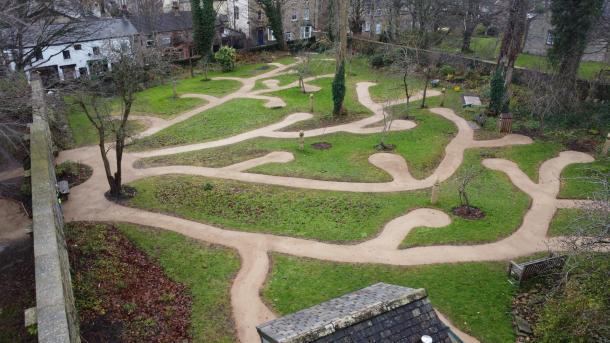
The Storey also boasts Lancaster’s most secret gardens, a peaceful oasis amidst the bustle of town, which originally belonged to a private house on Castle Park. A highlight of this green space is The Tasting Garden, an environmental artwork, orchard and garden created by internationally renowned artist, Mark Dion in 1998.
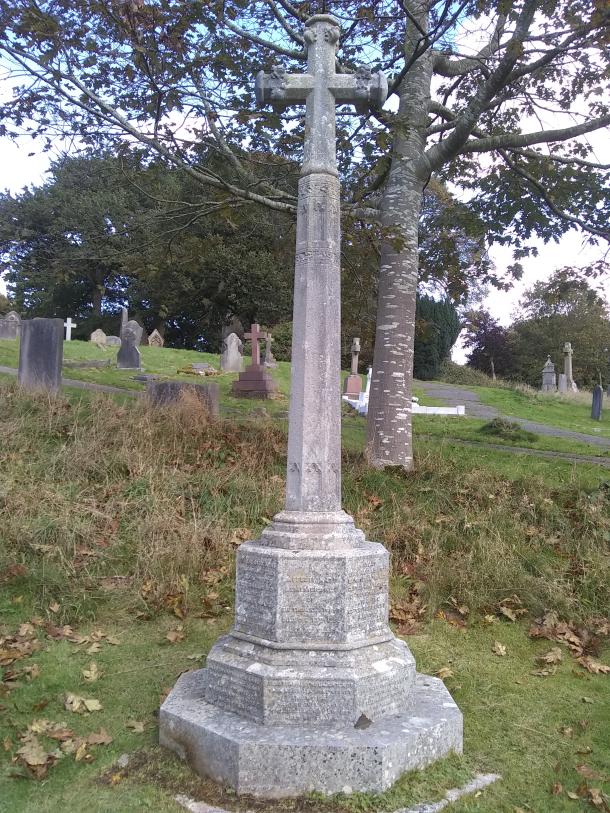
Sir Thomas died in 1898 and the family grave is at Lancaster Cemetery (Number 62 - Section D). A portrait of the great industrialist and benefactor, paid for by his workforce, can be viewed at Lancaster City Museum. It was painted by Karel Klíč who, together with the Storeys, brought art to the masses with the invention of a new printing process.
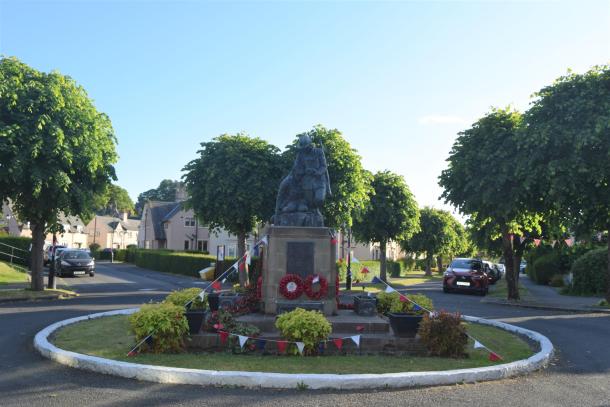
Klíč also painted a portrait of Sir Thomas’s son, Herbert Lushington Storey, who inherited his father’s generous nature and investment in Lancaster. He funded an extension to the Storey Institute although his greatest legacy must be Westfield Memorial Village. This village within a town was built on Herbert’s Westfield estate, close to Lancaster’s centre, in memory of those lost in World War One and to provide homes for those injured during the conflict. It was designed by renowned local landscape architect, Thomas Mawson, whose son had died in the Great War. Westfield Memorial Village still survives and its focal point is one of the very few war memorials designed by a woman, Jennifer Delahunt.
Mawson also designed some of the landscape at Bailrigg House, just outside Lancaster, where Herbert lived until his death. The Bailrigg estate later became home to the University of Lancaster which as well as educating thousands of students, also features the Great Hall, Nuffield Theatre and Peter Scott Gallery welcoming visitors to the campus, another fitting legacy of the Storeys.
Members of the Storey family still live in Lancaster district, at Halton Park, a private home, whose grounds open occasionally as part of the National Garden Scheme. This year, Thomas Storey’s great great grandson will welcomes visitors to his six acre garden over the weekend of May 16-17.