

Remembering Lancaster's War Poets
They shall grow not old, as we that are left grow old:
Age shall not weary them, nor the years condemn.
At the going down of the sun and in the morning
We will remember them.
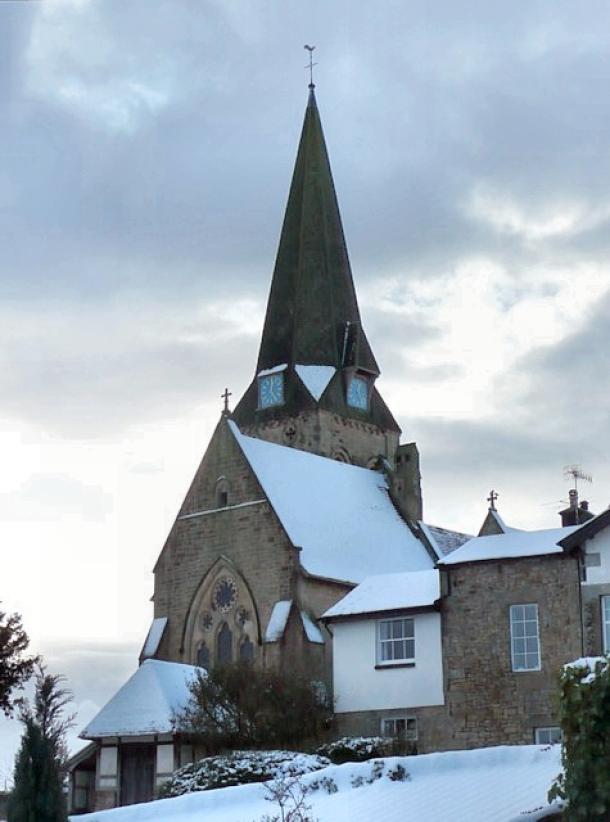
These lines from For The Fallen are probably among the most well known and often recited poetry ever written and they were the work of a man born in Lancaster. A modest inscription on an end terraced house – 1, High Street – records the birthplace of Robert Laurence Binyon (known as Laurence), the second of nine children born to clergyman Frederick Binyon and his wife, Mary. The family were living in Lancaster in 1869 while awaiting the opening of All Saints Church in Burton-in-Lonsdale where Frederick was vicar. This church, designed by Lancaster architects, Paley and Austin, opened a year later and Laurence spent most of his childhood there and the area inspired some of his later poetry.
But it’s his poem For The Fallen which brought Binyon international fame and which is still recited at Remembrance services and events across the nation and world as well as appearing on cenotaphs and gravestones. It also inspired Edward Elgar’s choral work, The Spirit of England. Binyon was too old to serve as a soldier during World War One but became a hospital volunteer though he wrote his most famous poem before he had experienced the horrors of war. It was inspired by reports of the British Expeditionary Force casualties in 1914.
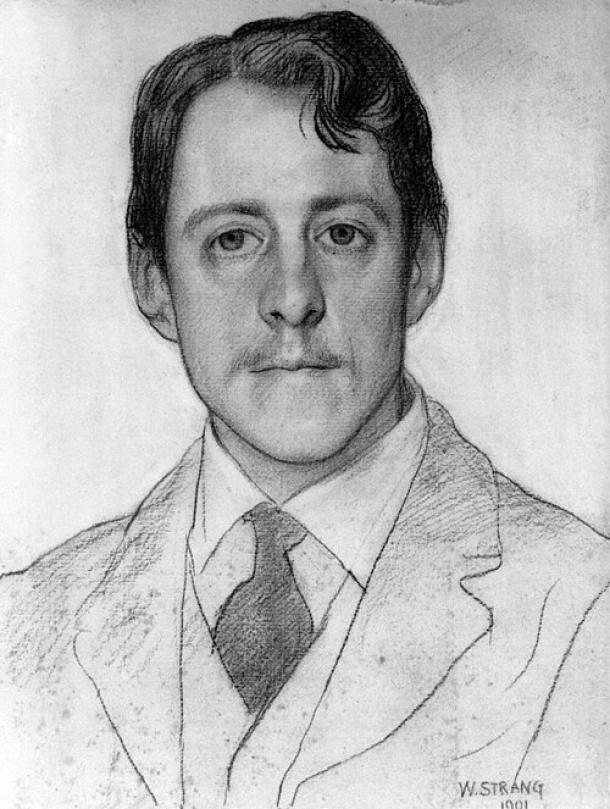
A year later, Binyon was a hospital orderly in France and he later cared for those wounded at the Battle of Verdun. After the war, he returned to his work at the British Museum, where he wrote numerous books on art. He retired as Keeper of the Prints and Drawings Department in 1933 when he was appointed Norton Professor of Poetry at Harvard University. But it was during World War Two that Binyon wrote what many regarded as his masterpiece – The Burning of the Leaves – about the London Blitz. Binyon didn’t see the end of World War Two as he died in 1943 but he’s remembered in Westminster Abbey on a memorial to World War One poets.
Alongside Binyon on that memorial are the names of Robert Graves and Isaac Rosenberg who both served in World War One and also have connections to Lancaster. Robert Graves was commissioned to the Royal Welch Fusiliers in 1914 but as he was considered too young then to fight, instead he was posted to Lancaster’s Prisoner of War Camp in Caton Road, now the home of Standfast & Barracks Fabric Printing Company. The camp accommodated up to 2,000 prisoners, mostly men and German or Austrian nationals, though some were detained with their families, including their children. Graves’s own mother was German. Graves’s experience guarding the prisoners in Lancaster is recorded in his autobiography, Goodbye To All That.
From Lancaster, Graves was sent to France in 1915 and a year later was badly wounded in the Battle of the Somme, and reported dead. Although he actually survived, he was declared unfit for active service. Later, Graves became Professor of Poetry at Oxford University and among his most famous novels is I, Claudius. He died in 1985.
During the Great War, Graves had become a friend of fellow officer and poet, Siegfried Sassoon. Did he perhaps mention his time in Lancaster as Sassoon refers to the city in his poem, The Redeemer, writing that ordinary men were willing to die to protect Lancaster from German forces: That Lancaster on Lune May Stand Secure.
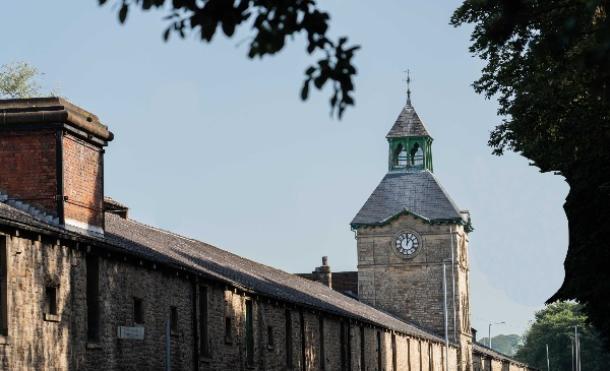
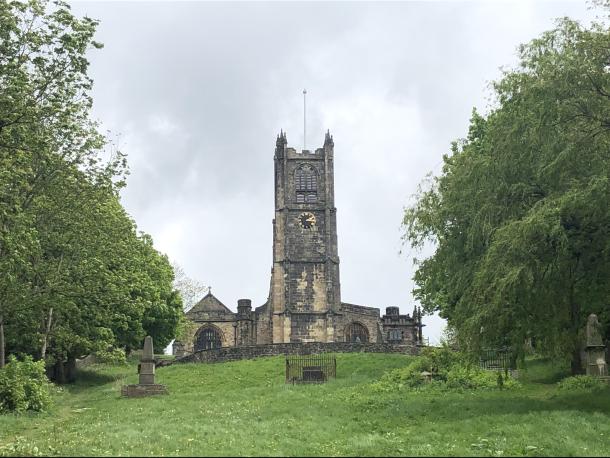
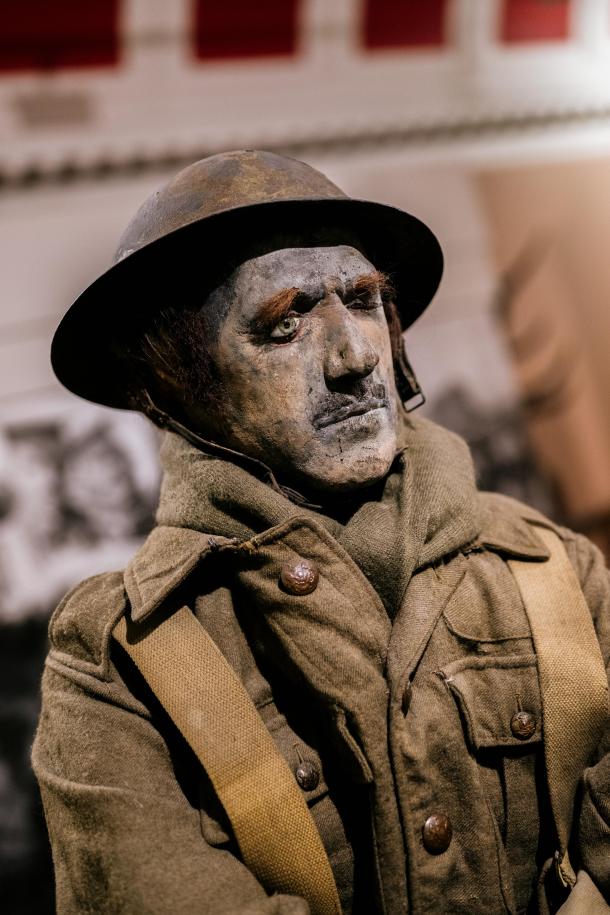
One lesser known poet who did die for his country was Isaac Rosenberg who served with The King’s Own Royal Lancaster Regiment in France during World War One. At just 5ft 4ins, he was a member of one of the Regiment’s Bantam battalions. Acclaimed as a writer of realistic war poetry, Rosenberg wrote many of his poems on scraps of paper in the trenches. He was killed while on patrol in the early hours of April 1, 1918 and was buried on the battlefield alongside nine others. Rosenberg and everyone who served in the King’s Own Royal Lancaster Regiment are remembered in the Regimental Chapel at Lancaster Priory Church and displays of their wartime history can be viewed at the King’s Own Royal Regiment Museum upstairs at Lancaster City Museum.
Lancaster Priory will be among churches across the district holding services on Remembrance Sunday, this November 8. The 9am service will be followed by a parade to Lancaster Town Hall where the city’s service of Remembrance takes place in the Memorial Gardens from 10.45am. Similar services will also be held at Morecambe War Memorial, Carnforth War Memorial Gardens and at village war memorials across the district and Lancaster’s Ashton Memorial in Williamson Park will be displaying the first Poppy Fall of its kind in the area from November 6-12. Find out more about the Remembrance Services.
As Binyon wrote: We will remember them.