

George Fox, Religious Revolutionary
George Fox (1624-1691)
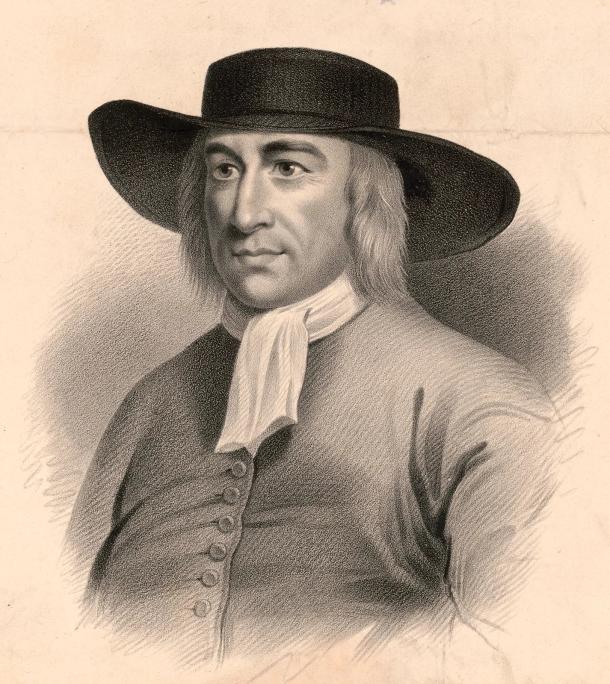
George Fox, who turned the tide of religious values and worship, was a regular visitor to Lancaster, not even deterred when he was imprisoned here. The founder of the Religious Society of Friends – known as the Quakers – first visited Lancaster in 1652, the same year that a revelation atop Pendle Hill led him to seek out like-minded folk.
Born in Leicestershire to a devout Christian family, George became frustrated with those who failed to practise what they preached. He also disliked the hierarchy in the Church of England. He founded a faith community without rituals or leaders, who worshipped in silence. They became known as the Quakers, maybe derived from the physical shaking which sometimes accompanied their religious experiences, or the nickname could have come from Fox once telling a magistrate to tremble, or quake, at the name of God.
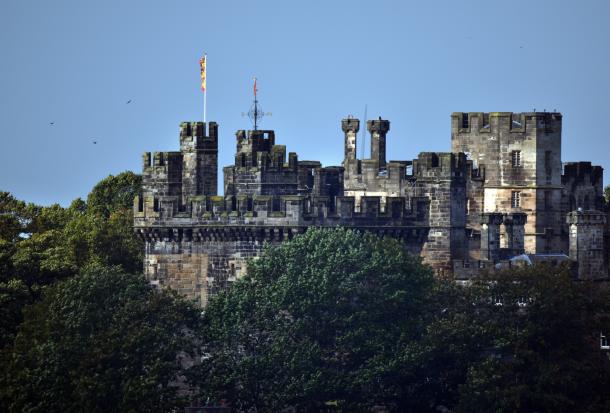
As Fox travelled the country, especially Lancashire, Cumbria and Yorkshire, his preaching got him into trouble and eventually he went on trial at the court in Lancaster Castle. Fox was imprisoned there for his beliefs, a place he described as the ‘Dark House’. Conditions were so bad that 12 Quaker prisoners died there and many of the hundreds imprisoned were tortured. Female Quaker prisoners who refused to stop preaching suffered the humiliation of wearing the scold’s bridle, an example of which is still on display in the Castle.
More than a century later, when a new female penitentiary was being built at the Castle, it was visited by the renowned prison reformer - and Quaker - Elizabeth Fry, who complimented the prison on its ‘cleanliness, good order and industry.’ Sculptures of Elizabeth Fry and George Fox, produced by the Castle’s resident sculptor, Alan Ward, can now be admired within the Castle walls.
Despite his imprisonment at the Castle, Lancaster was so important to George Fox that it is mentioned in his famous journal more than 50 times. And his link with the city certainly inspired the local Quaker movement where meetings were held in members' houses before Lancaster Meeting House was built in 1677, on a road which is still known to this day as Meeting House Lane. The Meeting House still stands and holds Quaker meetings as well as welcoming visitors. Outside, the former burial ground is a quiet oasis in the city centre and replaced the original burial ground in Wyresdale Road opposite the entrance to Williamson Park. As decades passed, many Quakers became important members of Lancaster’s society with some becoming slave traders. A plaque acknowledging this dark period in their history is on display at the Meeting House.
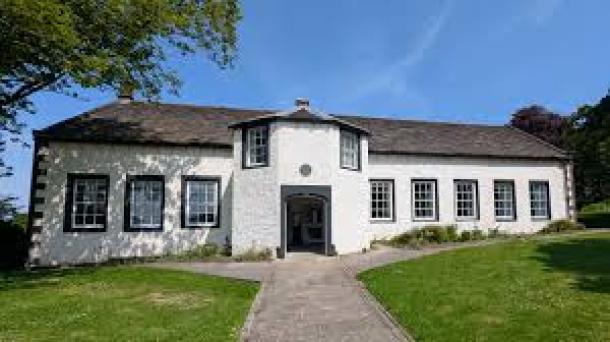
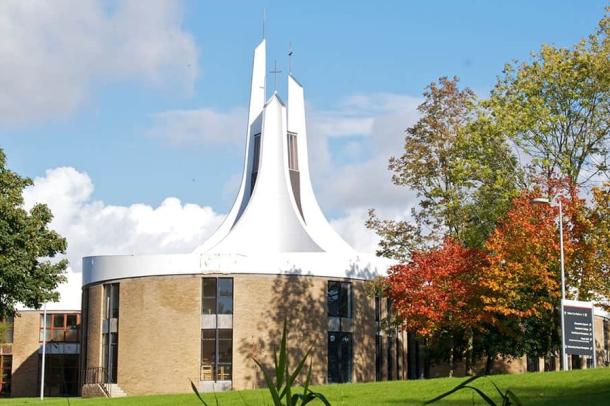
Next to the Meeting House, the Quakers established the Friends School in 1690 and it was run by the Quakers until 1968. The Quakers' educational link with the area survives to this day with Lancaster University adopting Quaker grey as one of its colours and its first vice-chancellor being a Quaker. George Fox is also remembered on campus as one of its largest lecture theatres is named after him and Quaker meetings take place at the university’s Chaplaincy Centre. Visitors to the district can even stay in a former Quaker school, at Yealand Conyers, a village also once visited by Fox. The Old School, which is one of several Quaker-owned buildings in the village including the 1692 Meeting House, provided local children with an education until the 1920s. In recent years the building has been redesigned and refurbished to provide versatile self-catering accommodation for up to 20 guests. Only bookings for the entire building are taken.
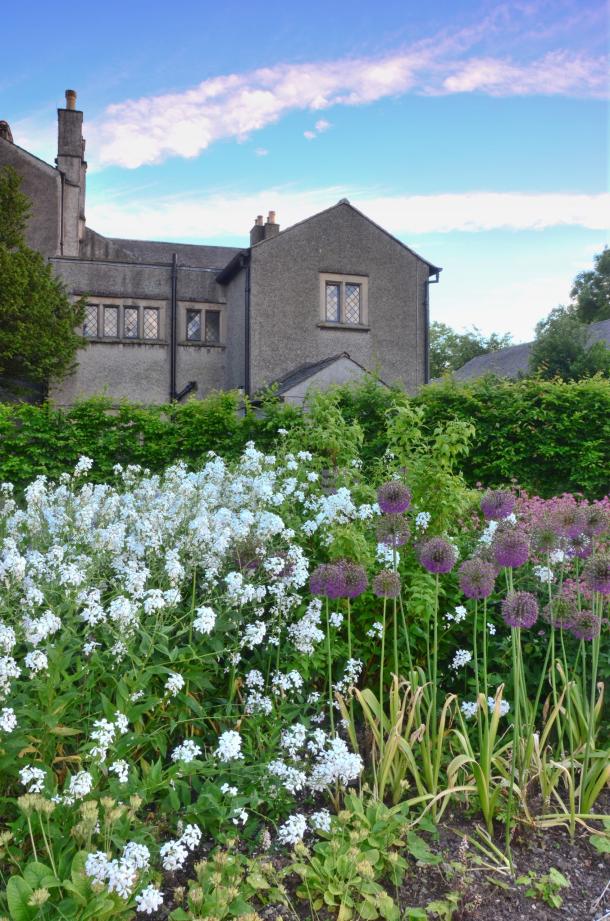
Other Meeting Houses which still exist in the area include those in Garstang, Kendal and Ulverston, also home to Swarthmoor Hall, which became Fox’s base. The 17th Century Hall is just a short walk from Ulverston Station, where trains from Lancaster arrive daily, and was the home of Margaret Fell who became a leader in the Quaker movement and eventually married George Fox. She too was imprisoned in Lancaster Castle for her beliefs.
George Fox, religious revolutionary, died in London in 1691.
Today, the Quakers number around 400,000 worldwide.